Kolleru Lake: Fisheries: It is located in the center of Andhra Pradesh, is a beautiful aquatic wonderland that is rich with biodiversity and provides a living for numerous fishermen. One of India’s biggest freshwater lakes, Kolleru Lake, is over 245 square kilometers in size. This lake, which is famous for its distinctive environment and is situated between the deltas of the Godavari and Krishna rivers, is a crucial biodiversity hotspot. This article delves into the fisheries, examining the lake’s ecological importance, the robust fishery business, and sustainable techniques that ensure the industry’s prosperity. Come along for this educational journey.
Fisheries
The lake’s nutrient-rich waters are home to a wide range of aquatic life, including different fish, mollusc, and waterfowl species. Here, you may find some well-known fish species like catfishes, Indian major carps, murrels, eels and prawns. It also serves as a stopover for many migratory species, which increases its ecological importance.
The fisheries are an important source of livelihood for the people living in the surrounding areas. The lake has a rich diversity of fish species, with over 64 species reported. The most commonly found fish species groups are mullets, catfishes, prawns, sardines, Indian major carps and milkfish.
The chief fisheries of lake as follows:
- Major Carps: Labeo rohita, Labeo calbasu, Catla catla, Cirrhinus mrigala etc.
- Catfishes: Wallago attu, Mystus sps, Clarias batrachus, Heteropnusteus fossilis etc.
- Eels: Anguillia, Mastacembelus armatus etc.
- Featherbacks: Notopterus notopterus, N. Chitala
- Mullets: Mugil cephalus, M. corsula
- Clupides: Hilsa hilsa
- Prawns: Macrobrachium malcolmsonii, Palaemon lamarii
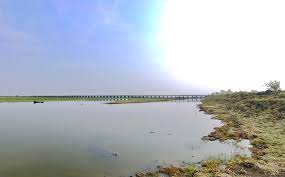
Fish Production of Kolleru Lake
An average of 1200 tonnes of fish and crustaceans are harvested annually from the lake, of which prawns constitute 60%, followed by mullets. The seafood exports of white and tiger prawns, jellyfish, finfish and live lagoon green crabs are also economic benefits from the lagoon.
The fisheries are facing a number of challenges, including pollution, overfishing, and climate change. Pollution from agricultural runoff and industrial effluents is a major problem, as it is causing eutrophication of the lake. Overfishing is also a problem, as the fishermen are catching more fish than the lake can sustain. Climate change is also a threat to the lake, as it is causing the sea level to rise and the water temperature to increase.
The government is taking steps to address these challenges. The Environment Ministry has launched a project to clean up the lake and improve its water quality. The Fisheries Department is also working to regulate fishing in the lake and promote sustainable fishing practices.
The future of the fisheries of Lake depends on the success of these efforts. If the lake can be protected from pollution and overfishing, and if the effects of climate change can be mitigated, then the fisheries can continue to be a sustainable source of livelihood for the people living in the surrounding areas.
Fishing Methods
The fishing practices are traditional and sustainable. The fishermen use a variety of fishing methods, including cast nets, gill nets, and trawl nets. They also use traditional methods of fish preservation, such as smoking and drying.
The local fishermen frequently employ traditional fishing methods including cast netting and gill netting. These techniques have been used for many years and are perfectly suited to the particular characteristics of the lake. Lake is important for supporting local communities as well as the commercial fishing sector. Markets around the nation as well as those in Andhra Pradesh get the caught fish and prawns.
Sustainability Techniques for a Healthy Ecosystem
Lake places a high priority on sustainability. The fragile ecological equilibrium can be irreparably harmed by overfishing. The Andhra Pradesh Fisheries Department has put laws in place to make sure that fishing is done responsibly in order to address this.
Community-Based Initiatives
A number of neighborhood-based programs have also been developed to encourage sustainable fishing methods. These initiatives seek to inform anglers of the value of conservation of the lake’s environment and ethical fishing practices.
Conclusion
The fisheries of Lake are a rich source of biodiversity as well as a means of subsistence. This delicate environment must be safeguarded through sustainable practices and ethical fishing. It is therefore has something to offer everyone, whether they are nature lovers, seafood enthusiasts, or people who care about protecting our natural beauties. Visit this amazing location to appreciate nature’s splendor and aid the communities that rely on it.