Preservation of Fishing Crafts and Gears: The viability of fisheries and the general health of marine ecosystems depend on the effective preservation of fishing vessels and equipment. Fishing communities’ livelihoods can be guaranteed, the lifespan of fishing equipment can be increased, and environmental impact can be decreased with proper maintenance and storage. These are some crucial procedures for maintaining fishing equipment and vessels.
Importance of Preservation of Fishing Crafts and Gears
Beyond simple equipment upkeep, the preservation of fishing gear and vessels is essential to protecting our oceans and preserving a precarious biological balance. Fishing communities may limit waste, lessen their influence on the environment, and guarantee the sustainability of their means of subsistence by implementing sustainable practices.

Preservation of Fishing Crafts and Gears
Fishing crafts and gears are an important part of the cultural heritage of many communities. They are also essential for the livelihood of millions of fishers around the world. However, many fishing crafts and gears are at risk of disappearing due to factors such as industrialization, modernization, and climate change.
There are a number of things that can be done to preserve fishing crafts and gears, including:
Documenting traditional fishing practices: This includes recording the design and construction of fishing crafts and gears, as well as the techniques used to fish with them. This information can be used to teach future generations about traditional fishing practices and to help preserve them.
Supporting traditional fishing communities: This can be done by providing financial assistance, training, and other resources to help fishers continue to use traditional fishing crafts and gears. It is also important to advocate for policies that support traditional fishing communities.
Promoting the use of sustainable fishing practices: This includes using fishing crafts and gears that are designed to minimize their impact on the environment. Sustainable fishing practices can help to ensure that fish stocks remain healthy and that fishing communities can continue to thrive for generations to come. ‘Preservation of Fishing Crafts and Gears’
Here are some specific examples of projects that are working to preserve fishing crafts and gears:
The Traditional Fishing Knowledge and Practices project is a global initiative to document traditional fishing knowledge and practices. The project is working with fishing communities around the world to collect information about traditional fishing crafts and gears, as well as the techniques used to fish with them. ‘Preservation of Fishing Crafts and Gears‘
The Traditional Fishing Gear Museum in Kochi, India is a museum dedicated to the preservation and promotion of traditional fishing crafts and gears. The museum has a collection of over 10,000 fishing crafts and gears from all over India.
The Sustainable Fisheries Partnership is a non-profit organization that works to promote sustainable fishing practices. The organization is working with fishing communities around the world to develop and implement sustainable fishing practices.
Essential Practices for Gear Maintenance
Regular Maintenance: Regular inspections are the cornerstone of gear preservation. By conducting routine checks, fishermen can identify minor issues before they escalate into costly problems. Inspect hulls, engines, and all equipment components for signs of wear, tear, or damage.
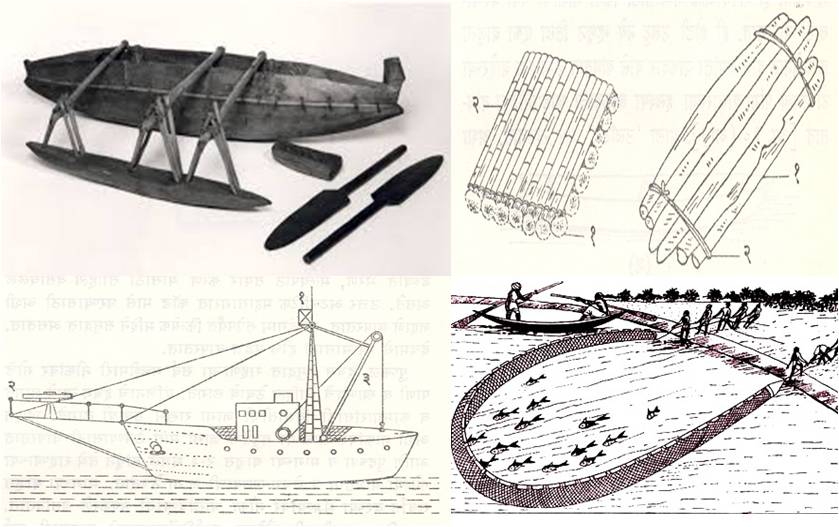
Cleaning Techniques: Thoroughly cleaning fishing equipment after each use is essential to prevent salt, dirt, and debris buildup. Use mild detergents and fresh water to remove contaminants without harming the environment. This practice not only enhances gear longevity but also contributes to sustainable fishing. ‘Preservation of Fishing Crafts and Gears’
Drying Procedures: Allowing fishing gear to dry completely before storage is paramount. Moisture can lead to mold, mildew, and rust, which can compromise the integrity of the equipment. Proper drying ensures gear remains in top condition for extended periods.
Proper Storage Solutions: Storing fishing gear in a dry, well-ventilated area away from direct sunlight is vital. Nets and lines should be hung or stored to prevent tangling, while hooks, sinkers, and small items need organized compartments for easy access.
Rinse with Fresh Water: After saltwater use, rinse all fishing equipment with fresh water to remove salt residue. This step prevents corrosion and extends the lifespan of your gear. Pay special attention to metal components like reels and hooks.
Rust Prevention Measures: Applying rust-inhibiting spray or a thin layer of oil to metal parts is an effective way to prevent corrosion. Regularly inspect gear for rust and address it promptly to maintain gear integrity. ‘Preservation of Fishing Crafts and Gears’
Sustainable Fishing Practices for Gear Longevity
Embracing sustainable fishing practices not only preserves marine ecosystems but also contributes to gear longevity. Consider using biodegradable nets and practicing selective fishing methods to reduce bycatch. These approaches not only enhance gear performance but also reflect a commitment to responsible fishing. ‘Preservation of Fishing Crafts and Gears’
Conclusion
Fishermen, fishing communities, and society at large all have a responsibility to preserve fishing gear and crafts. We can protect the health of our oceans and prolong the life of our gear by adhering to these fundamental guidelines and using sustainable fishing techniques. Together, let’s build a more prosperous and sustainable future for marine ecosystems and fisherman alike. ‘Preservation of Fishing Crafts and Gears’
Frequently Asked Questions (FAQs)
How often should fishing gear be inspected?
Regular inspections should be conducted before and after each fishing trip. Additionally, a thorough inspection at the start and end of each fishing season is recommended to identify and address any potential issues. ‘Preservation of Fishing Crafts and Gears’
What can I use to prevent rust on my fishing equipment?
Applying a rust-inhibiting spray or a light coating of oil to metal parts can effectively prevent rust formation. Regular maintenance and proper drying are also essential in preventing rust.
Is it necessary to clean fishing gear after each use?
Yes, cleaning fishing gear after each use is essential. Salt, dirt, and debris can accumulate and lead to corrosion and deterioration over time. Cleaning helps maintain gear performance and extends its lifespan.