
Importance of Economic Zoology: Economical Zoology deals with the Application of Knowledge for the benefit of human beings. It Includes Culturing of Animals for mass production for mankind uses and to control, eradication of animals that are harmful to human society directly or indirectly.” Economic zoology is the branch of zoology that deals with the study of animals and their economic importance to humans. It encompasses a wide range of topics, including:
- Animal agriculture, such as livestock farming, poultry farming, and aquaculture
- The use of animals for food, clothing, and other products
- The role of animals in pollination, pest control, and other ecosystem services
- The impact of animals on human health, both directly (through diseases) and indirectly (through their effects on the environment)
- The management of populations of economically important animals, such as pests and predators
Economic zoology is an important field of study because it helps us to understand the relationship between animals and humans. This knowledge can be used to improve our management of animal resources, to protect human health, and to promote sustainable development.
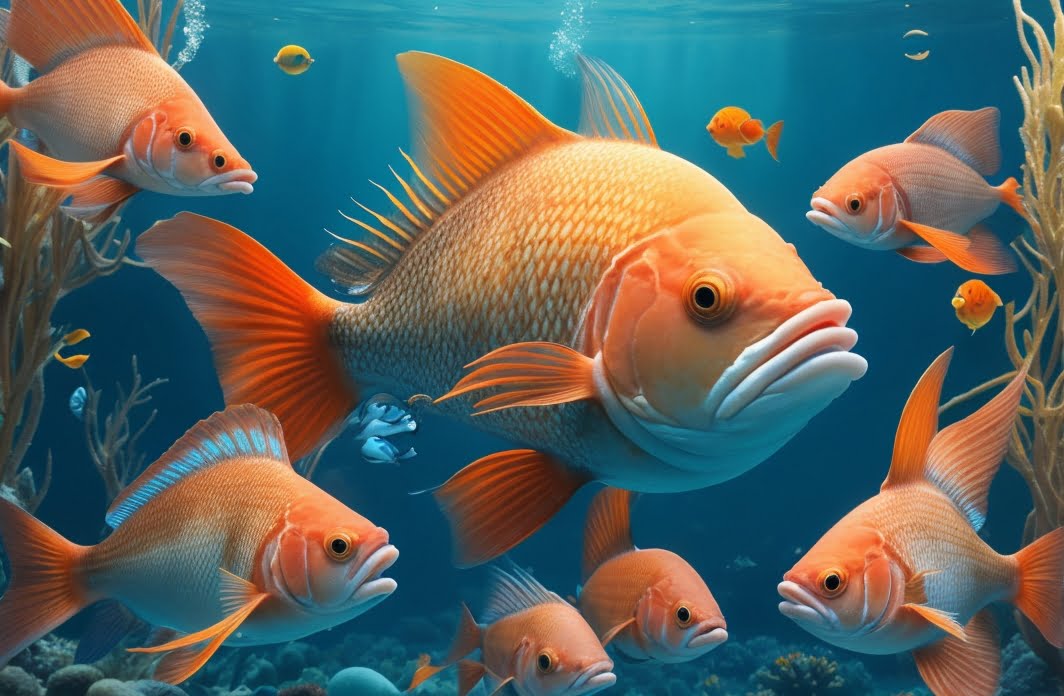
Here are some of the specific ways in which economic zoology is important:
- It helps us to understand the potential economic benefits of animals. For example, livestock farming provides a major source of food and income for many people around the world.
- It helps us to develop sustainable methods of animal production. For example, aquaculture can be a more sustainable way to produce fish than traditional fishing methods.
- It helps us to control pests and diseases that can harm animals and humans. For example, entomologists study insects and develop ways to control them.
- It helps us to conserve endangered species. For example, zoologists study the ecology of endangered animals and develop ways to protect them.
Economic zoology is a rapidly growing field of study, and it is becoming increasingly important as we face the challenges of a changing world. By understanding the relationship between animals and humans, we can better manage our animal resources and build a more sustainable future.
Here are some specific examples of the economic importance of animals:
- Livestock farming provides a major source of food and income for many people around the world. In 2019, the global livestock industry was worth an estimated $1.5 trillion.
- Aquaculture is a rapidly growing industry that produces fish, shellfish, and other aquatic animals for human consumption. In 2018, the global aquaculture industry was worth an estimated $260 billion.
- Bees and other pollinators are essential for the production of many crops. In the United States, pollination by honeybees is estimated to be worth $15 billion per year.
- Some animals, such as sharks and whales, are important predators that help to control populations of other animals.
- Animals can also be used to produce a variety of products, such as leather, fur, and silk.
The economic importance of animals is vast and varied. By understanding the economic value of animals, we can better manage our animal resources and build a more sustainable future.
Economic zoology Scope :
- Culturing animals for mass production
- Improve food Quality
- Economic resources
- Meet the Nutritional Requirement
- Control or eradicate animals
- Awareness of diseases
Economic zoology Aim and Purpose:
Since time immemorial, human beings have always been looking towards other living animals, to use them as food, shelter, and for other agricultural purposes. Some animals are very useful to mankind while others cause great loss to the economy of man. Though each and every individual has its own importance in nature, a few of them, such as some mammals, birds, fishes, prawns and insects (silk worm, honey bee, lac insect) in the modern era of technology are gaining too much importance. Some pests are competitors of human beings for natural resources, for food and other purposes. Some have a very good status in small scale industries, which suit the aim of our nation, where manpower is being fully utilized, by which the socio-economic status of our nation can be raised. So the study of the economy of animals would be very fruitful for mankind.
Keeping in view the national interest, and also for encouraging young men to take up small scale industries as a career, a number of universities, not only in India but even abroad, have included a course of “Economic Zoology” in their syllabi of Zoology and Agriculture. It is felt that there is a need for a good and comprehensive networking which could give sufficient information on the topics allotted therein.
There are scattered pieces of information on the economic aspect of Zoology in books, research journals, reports and some pamphlets published by Government and other agencies. Thus in the present venture, an attempt has been made to put all available information on useful as well as harmful animals, from different sources at one place in the form of a blog. A precise account of the various topics has been given, and as such it can not be taken to be the last word in that field
I hope that the students, teachers and even the small scale industrialists would be able to get necessary information and know how, on the topics dealt within this network. Any suggestion for the improvement of the blog would be thankfully accepted.