Skip to content
Zoology Library Logo

Zoology Library

Zoology Library

  • Home
  • Biology
    • Zoology
    • Developmental Biology
    • SEC/VSC Cources
      • SEC Course on Microtechnique
      • Skill Enhancement Course on Haematology
      • Skill Enhancement Course on Urinology
      • SEC on Aquarium Fish Keeping
  • Economic Zoology
  • Fishery Science
  • Cell Biology
  • Conservation
  • Zoo Park & News
  • Web Stories
  • Toggle search form
  • Asian Palm Civet (Paradoxurus hermaphroditus) Conservation
  • Freshwater Capture Fisheries Fishery Science
  • New Change Coming in Higher Education!!! Zoo Park & News
  • Fish Cutlet Recipe
    Fish Cutlet Recipe Fishery Science
  • Human Health and Disease Biology
  • Polymorphism in Coelenterates (Cnidarians) Zoology
  • Pearl Farming methods Economic Zoology
  • Cleavage Stages of Embryonic Development
    Cleavage Stages of Embryonic Development Developmental Biology

In need of Protecting Animal Diversity in an Ever Changing Environment

Posted on April 21, 2024August 7, 2024 By Rajkumar Pawar No Comments on In need of Protecting Animal Diversity in an Ever Changing Environment
In need of Protecting Animal Diversity in an Ever Changing Environment

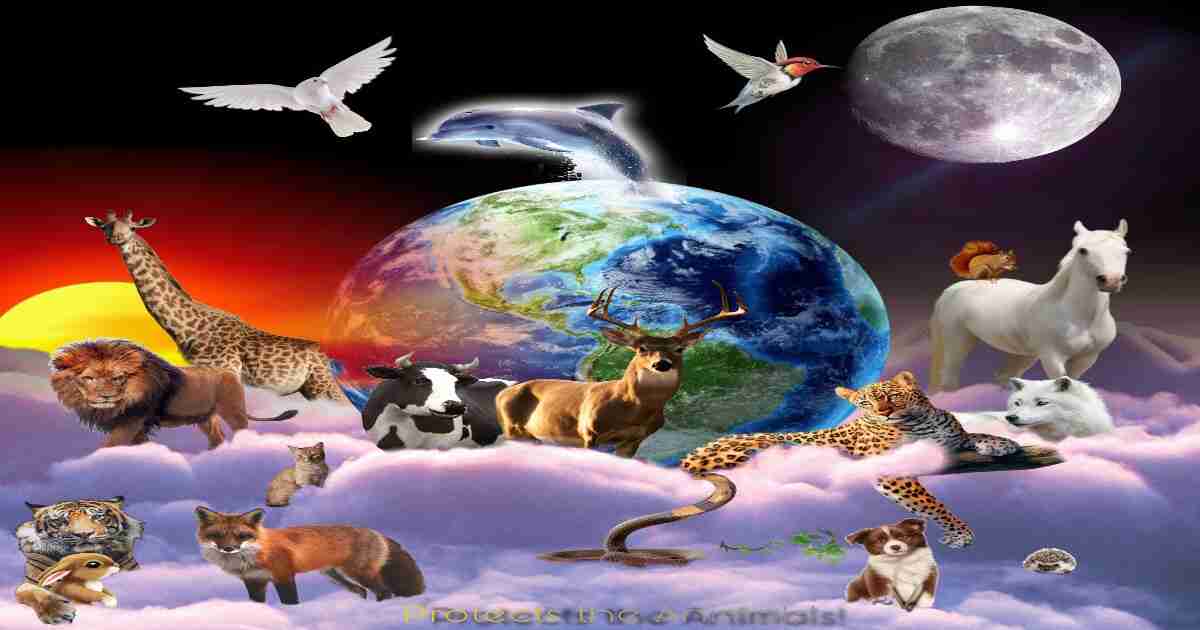
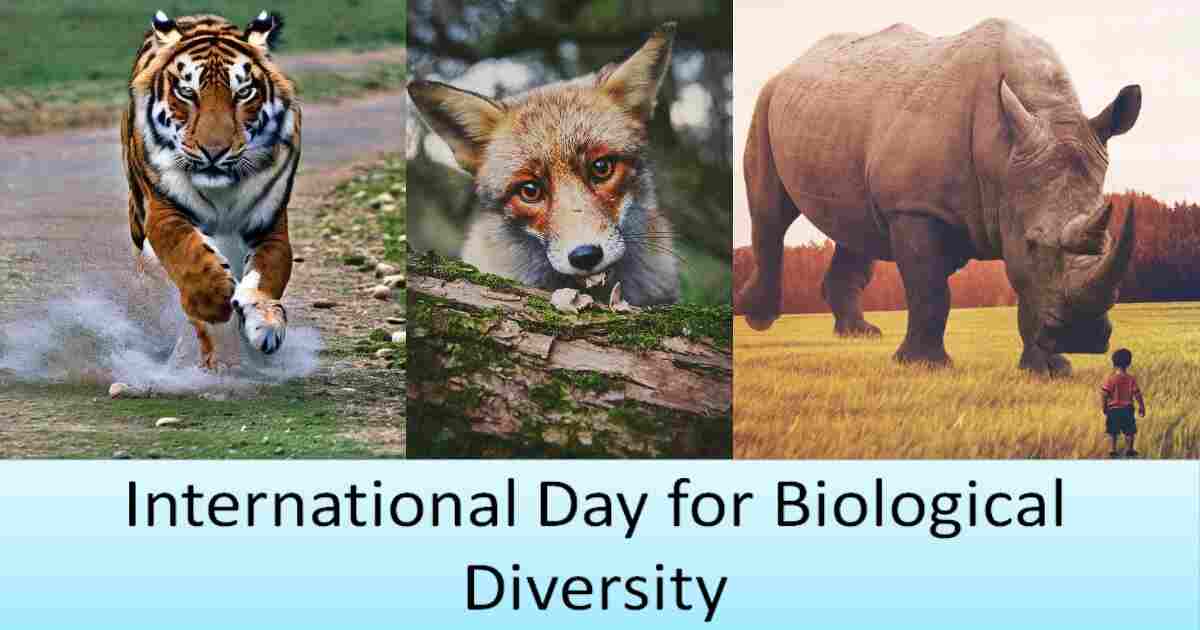
Animal Diversity: Protecting animal diversity is critical, especially as our environment faces constant change. It’s a complex issue, but here’s a breakdown of why it’s important and what we can do? Animal Diversity Animal diversity is truly remarkable. There are estimated to be between 3 and 30 million different animal species on Earth, each with…

Read More “In need of Protecting Animal Diversity in an Ever Changing Environment” »

Conservation

Phylum Protozoa Characteristic and Classification

Posted on April 8, 2024August 7, 2024 By Rajkumar Pawar No Comments on Phylum Protozoa Characteristic and Classification
Phylum Protozoa Characteristic and Classification

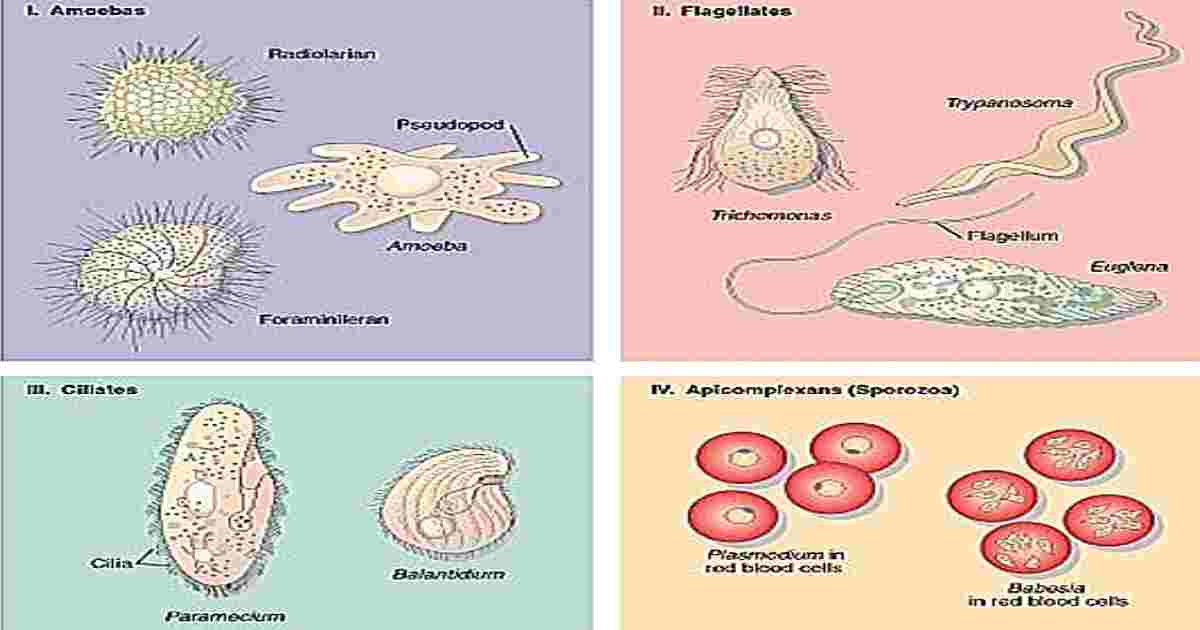
Phylum Protozoa:  The Phylum Protozoa comprising a diverse group of unicellular organisms. Let’s explore their characteristics and classification. Defination: The Protozoa may be defined as ‘microscopic, acellular animalcules existing singly or colonies, without tissues and organs, having one or more nuclei. When in colonies, they differ from Metazoa in having all the individuals alike except…

Read More “Phylum Protozoa Characteristic and Classification” »

Zoology

Phylum Cnidaria Characteristic and Classification

Posted on April 5, 2024August 7, 2024 By Rajkumar Pawar No Comments on Phylum Cnidaria Characteristic and Classification
Phylum Cnidaria Characteristic and Classification

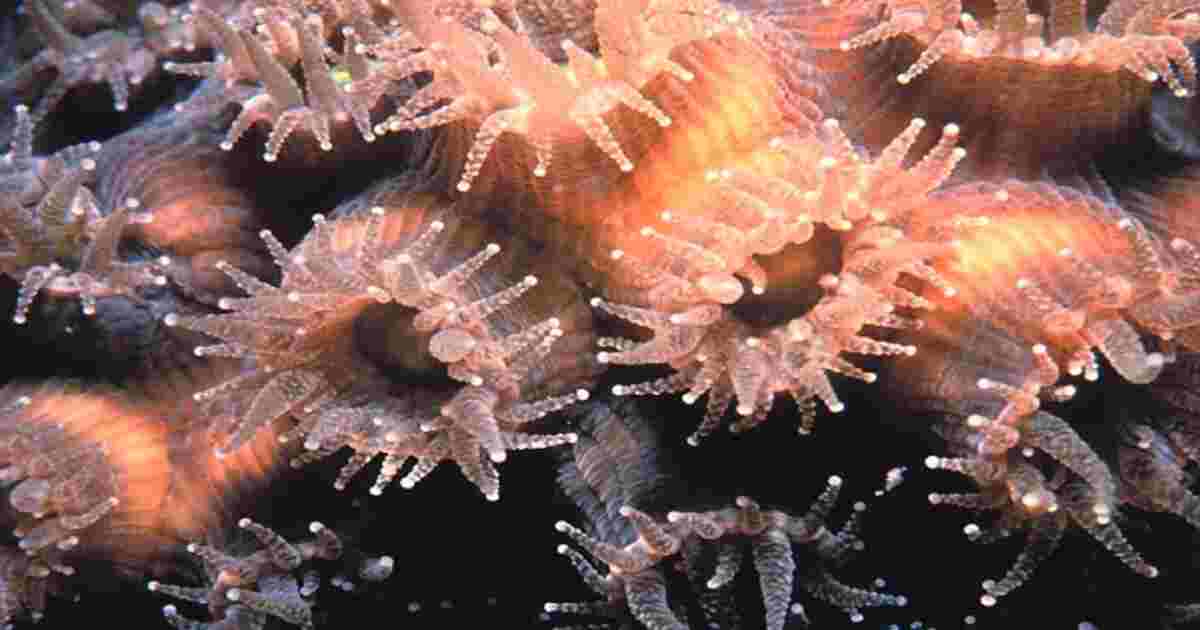
Phylum Cnidaria: Cnidaria derives from the Greek word “cnidos,” which means “stinging thread.” Defination: The cnidaria may be defined as “diploblastic Metazoa with tissue grade of construction having nematocysts and a single gastrovascular cavity or the coelenteron.” The phylum Cnidaria is a large group of aquatic invertebrates, with over 11,000 described species. They are mostly marine…

Read More “Phylum Cnidaria Characteristic and Classification” »

Zoology

Phylum Arthropoda general characteristic and Classification

Posted on April 4, 2024August 7, 2024 By Rajkumar Pawar No Comments on Phylum Arthropoda general characteristic and Classification
Phylum Arthropoda general characteristic and Classification

Phylum Arthropoda: Arthropods are the largest phylum in the animal kingdom, making up over two-thirds of all known animal species. They are incredibly diverse and can be found in almost every habitat on Earth, from the deepest oceans to the highest mountains. Here are some of the general characteristics of arthropods General Characters of Phylum…

Read More “Phylum Arthropoda general characteristic and Classification” »

Zoology

General Characteristics and Classification of Phylum Mollusca

Posted on April 3, 2024August 7, 2024 By Rajkumar Pawar No Comments on General Characteristics and Classification of Phylum Mollusca
General Characteristics and Classification of Phylum Mollusca

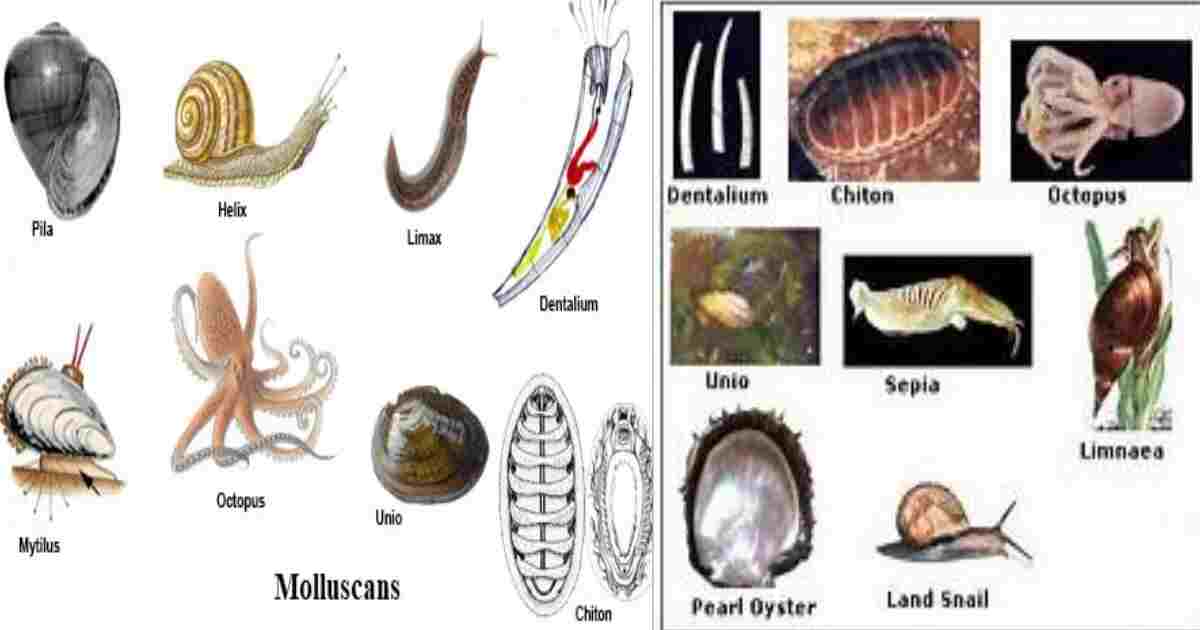
Phylum Mollusca: It is the second largest phylum in animal kingdom and consists of over 150,000 marine, freshwater and terrestrial species. Mollusca, the second largest animal phylum after Arthropoda, is a diverse group of soft-bodied invertebrates . They are found in almost all aquatic environments, from freshwater to the deepest parts of the ocean, as…

Read More “General Characteristics and Classification of Phylum Mollusca” »

Zoology

Phylum Annelida Characteristic, Classification with Example

Posted on March 31, 2024August 7, 2024 By Rajkumar Pawar No Comments on Phylum Annelida Characteristic, Classification with Example
Phylum Annelida Characteristic, Classification with Example

Annelida: The phylum annelida was first coined by LAMARCK (1801) (Gr., annulus – little ring + eidos – form) for the higher segmented worms. There are around 16500 species included in the phylum Annelida. Appearence of metamerism represents their greatest Advancement, so they are called a Segmented worms. The unique characteristic of the phylum Annelida is metamerism….

Read More “Phylum Annelida Characteristic, Classification with Example” »

Zoology

Aschelminthes/Nemathelminthes Characteristic and Classification

Posted on March 26, 2024August 7, 2024 By Rajkumar Pawar No Comments on Aschelminthes/Nemathelminthes Characteristic and Classification

Aschelminthes: It also referred to as Nemathelminthes, it is an invertebrates phylum which includes roundworms. Defination: They are bilaterally symmetrical, triploblastic and pseudocoelomate animals with organ system of organization. Excretion involves a giant excretory cell called Renette cell. They have tube-within-tube type of body plan. Nemathelminthes group are created by Gwgenbaur in 1859 to place…

Read More “Aschelminthes/Nemathelminthes Characteristic and Classification” »

Zoology

Posts pagination

Previous 1 … 7 8 9 … 32 Next
  • Reservoirs : Maharashtra Fishery Science
  • Microtechnique: Definition, Scope and Application SEC Course on Microtechnique
  • Induced Breeding Technique of fishes (Hypophysation) Fishery Science
  • Blood: Defination, Components, Strucutre and Functions
    Blood: Defination, Components, Strucutre and Functions Skill Enhancement course on Haematology
  • Human Health and Disease Biology
  • Bee Keeping Methods and Equipments Economic Zoology
  • Phylum Chordata
    Exploring The Characteristic Of Phylum Chordata Biology
  • Gametogenesis
    Gametogenesis – Spermatogenesis and Oogenesis Developmental Biology

Categories

  • Biology
  • Cell Biology
  • Conservation
  • Developmental Biology
  • Economic Zoology
  • Fishery Science
  • SEC Course on Microtechnique
  • SEC on Aquarium Fish Keeping
  • SEC/VSC Courses
  • Skill Enhancement course on Haematology
  • Skill Enhancement Course on Urinology
  • Zoo Park & News
  • Zoology

Recent Posts

  • New Change Coming in Higher Education!!!
  • Torsion in Gastropods
  • Ribosomes: Structure and Functions
  • An Overview of Fisheries Development in India
  • Nucleus: Structure and Functions

Pages

  • About Us
  • Contact Us
  • Disclaimer
  • Privacy Policy
  • Terms and Conditions

Copyright © 2026 Zoology Library.

Powered by PressBook News WordPress theme