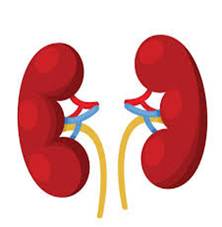


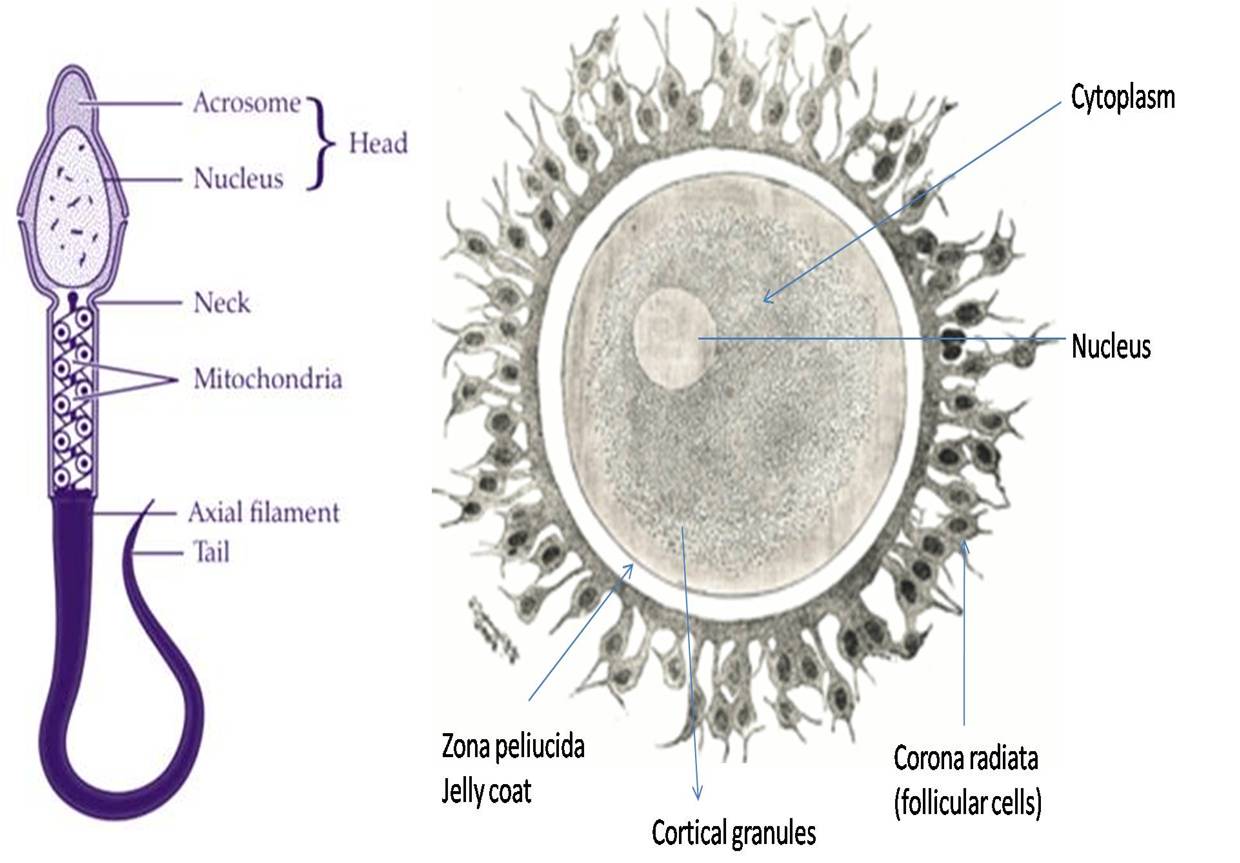

Urine Sample: A urine sample must be collected and preserved in order to be used for drug testing, medical diagnostics, and other purposes. Urine samples are used to diagnose a variety of medical conditions, including kidney disease, diabetes, and urinary tract infections. It is important to collect and preserve your urine sample correctly to ensure that the results are accurate. The accuracy of test results is improved by proper sample collection and preservation, which also helps to keep the material from becoming contaminated or degrading. Here are the procedures for obtaining and keeping a urine sample.
Materials Needed:
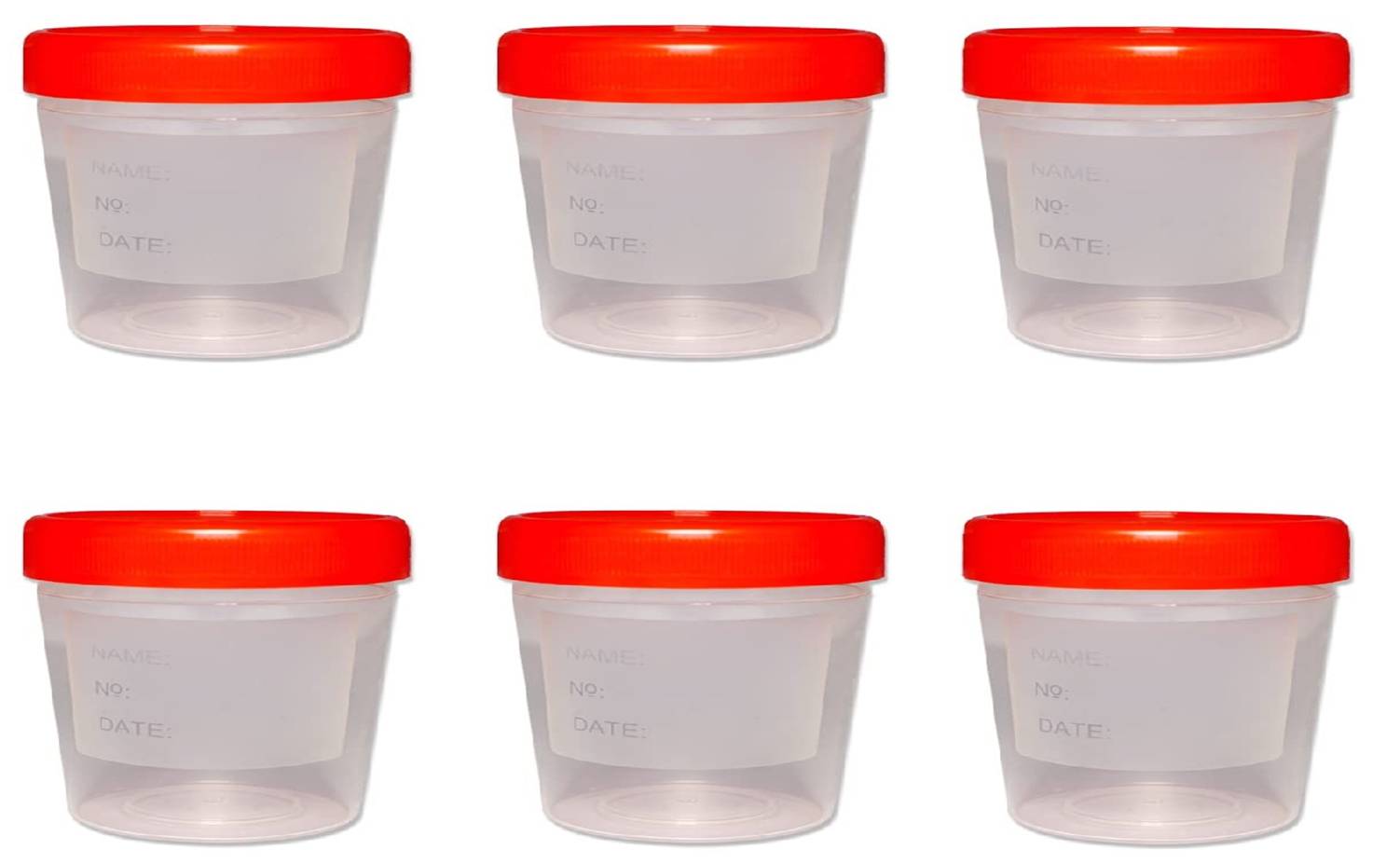
Clean Container: Use a clean, leak-proof glass or plastic container that has been sterilized. It ought to have a tight cover or cap.
Collection Method of urine sample:
Wash Hands: Wash your hands thoroughly with soap and water before handling the container or collecting urine. Make sure you are equipped with a clean, sterilized container.
First-Morning Urine: The first urine you pee after waking up is preferable for several medical tests, especially when looking for particular chemicals or hormones. It is frequently more concentrated, which is why.
Midstream Urine: Start urinating into the toilet to flush away any impurities if you aren’t collecting first-morning urine. After a little while, take a midstream urine sample and place it in the container. This is beginning to urinate, pausing for a little while, and then continuing until you have collected the required amount of urine (often 30 to 60 ml or as directed by your healthcare professional).
Avoid Touching the Container’s Interior: To avoid infection, avoid touching the container’s interior or cover.
Fill Container: Fill the container with urine till the level that has been specified, usually indicated on the container.
Secure Lid: To stop leaks or contamination, immediately tighten the lid or cap.
Preservation :
The preservation procedure and timeframe are determined by the particular test being run and the amount of time needed to transfer the sample to the lab. Typical techniques include:
Refrigeration: Samples are often kept in refrigerators at a temperature of 2 to 8 degrees Celsius (36 to 46 degrees Fahrenheit) if they cannot be quickly transferred to the lab. Typically, urine samples can be kept in this manner for up to 24 hours. Check the test’s exact criteria first, though, as some tests can call for immediate analysis.
Chemical Preservatives: In order to keep the urine sample stable throughout some tests, a particular preservative may need to be added. The laboratory or healthcare provider will frequently offer these preservatives; you must apply them according to their directions.
Freezing: Urine samples can occasionally be frozen for long-term preservation, but this is less common and, as before, depending on the criteria of the particular test.
Labeling: As directed by your healthcare physician, it is critical to clearly mark the container with your name, the date and time of collection, and any additional pertinent information.
Please note that your doctor or another healthcare professional should provide you with a container and explain how to collect the urine sample. The type of urine sample you might be asked for includes a random specimen, first morning specimen, or timed collection.
For more information about collecting and storing a urine sample, you can visit the NHS website.
Transport:
Follow any particular transportation instructions supplied by your healthcare provider or the laboratory and deliver the urine sample to the lab as soon as you can.
Always adhere to the instructions given by your doctor or the particular testing institution to guarantee accurate and dependable findings. Inaccurate test results can occur from improper collection and preservation, which may have serious consequences for diagnosis and therapy.