

Freshwater Capture Fisheries: Fisheries can be broadly classified into two types namely, inland fisheries and marine fisheries. The inland water bodies are extensively used for capture (Fishing) and culture practices in various resources. India is the third largest fish producing country in inland capture fishery and second largest aquaculture production in the world after China. Fisheries production comes from inland waters particularly in capture fisheries about 35% and in aquaculture production 65%. Hence, there is a huge scope for increasing the freshwater capture fishery. The large network of freshwater water resources provides great potential for economic freshwater capture fisheries.
Freshwater Capture Fisheries
Freshwater capture fisheries are the harvesting of fish and other aquatic organisms from freshwater ecosystems, such as rivers, lakes, reservoirs, and wetlands. Freshwater capture fisheries are a major source of food and income for millions of people around the world. Inland capture fisheries are often small-scale and artisanal, but they can also be large-scale and commercial. Freshwater fish are caught using a variety of methods, including nets, traps, and spears.
Freshwater capture fisheries play an important role in the global food supply. In 2020, inland capture fisheries produced over 11 million tonnes of fish, worth over US$23 billion. Freshwater fish are an important source of protein and other nutrients, and they are consumed by people all over the world.
Freshwater capture fisheries also play an important role in the livelihoods of millions of people. In 2020, over 60 million people were employed in inland capture fisheries worldwide. Freshwater fish are an important source of income for many rural communities, and they play a vital role in local economies.
Potential Resources of Freshwater Fisheries
Fisheries sector has been recognized as a powerful income and employment generator since it stimulates
the growth of a number of allied industries and it is source of cheap animal protein.
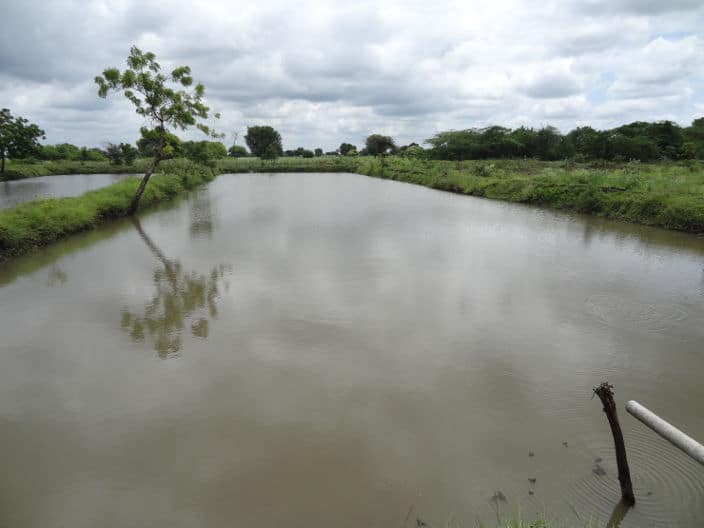
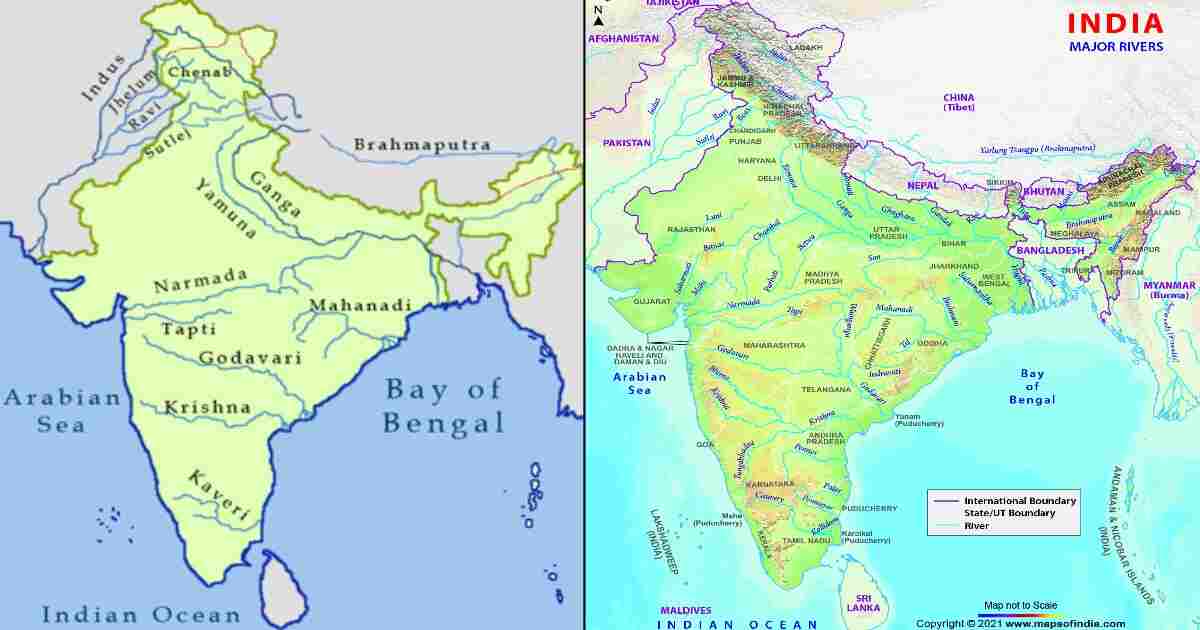
The freshwater fishery resources comprise of the rivers and its tributaries, canals, reservoirs, tanks and ponds, streams etc. A major area of the river and its tributaries are concentrated in the states of Maharashtra, Uttar Pradesh, Madhya Pradesh, Jammu and Kashmir, Andhra Pradesh, Karnataka and Tamil Nadu. There are five major river system of the country are the Ganges river system, Brahmaputra river system, Indus river system, east coast river system and west coast river system.
Along with the reservoirs area mostly distributed in the states of Karnataka, Maharashtra, Tamil Nadu, Andhra Pradesh, Madhya Pradesh, Orissa, Gujarat, Uttar Pradesh and Rajasthan. Besides, tanks and ponds are concentrated in the states of Andhra Pradesh, West Bengal, Arunachal Pradesh, Karnataka, Rajasthan and Orissa.
The freshwater water resources of India can be categorized as follows:
- River and its tributaries of about 1,95,210 km.
- Reservoirs (Small, Medium and Large) of 3.150 million ha.
- Tanks and ponds of 2.414 million ha.
- Flood plain streams, lakes and derelict water bodies of 0.798 million ha.
Generally, the Capture fisheries in inland waters are usually poor. Moreover, freshwater capture fisheries expansion is expensive, time consuming. It includes most of the important group of fishes, which are Major Carps, Catfishes, live fishes, feather backs, perches, loaches, eels, herrings and prawns and miscellaneous including minor carps constitute the chief capture fisheries.
Important freshwater fisheries
Major Carps: Labeo rohita, Catla catla, Cirrhinus mrigala, Labeo calbasu etc.
Catfishes: Wallago attu, Mystus sps, Clariasbatrachus, Heteropnusteus fossilis etc.
Live fishes : Channa sps, Mastacembelusarmatus, Anguillia bengelnesis etc.
Exotic fishes: Cyprinus carpio, Hypothalamichthyes molitrix, Ctenopharyngodon idella, Tilapia mossambica etc.
Perches: Tilipia mossambica, Anabus testidunes, lates calcarifer etc.
Eels: Anguillia, Mastacembelus armatus etc.
Herrings: Setipina phasa
Featherbacks: Notopterus notopterus, N. Chitala
Mullets: Mugil cephalus, M. corsula
Clupides: Hilsa hilsa
Miscellaneous: Labeo fimbriatus, L. bata, Cirrhinus reba etc.
Others: Pangasius pangasius, Silonida silonida, Gudusia chapra, G. godanahiai, Bagasius bagasius, Eutropichthyes vaca etc.
Prawns: Macrobrachium malcolmsonii, Palaemon lamarii
 |
| Tilapia fish farming |